Office furniture should make work feel easier—comfortable to sit in, intuitive to organize, and scaled to the room you actually have. From an everyday office desk to a supportive desk chair, find pieces that help you focus, keep clutter in check, and look at home in modern office furniture or traditional office furniture styles.
Office furniture that supports how you work
A good setup starts with function: where your screen sits, how your chair supports you, and what you need within arm’s reach. Build your space around the essentials, then add storage and finishing pieces to reduce visual noise.
Start with the core pieces
- Office desk: Your work surface, cable path, and daily landing zone
- Desk chair: Comfort, posture support, and adjustability for longer sessions
- Storage: File cabinets, credenzas, bookcases, and cabinets to keep your desktop clear
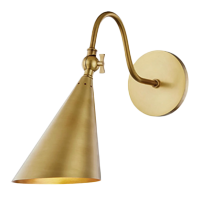
- Lighting and accessories: Task lighting, monitor stands, and organizers for a calmer workflow
Office desks: the anchor of the room
Choosing an office desk is less about looks first and more about footprint and function. The right desk makes it easier to keep a routine—especially in a home office where the “work zone” needs clear boundaries.
Popular desk types (and why they work)
- Writing desks: Clean and compact; great for laptops and light paper tasks
- Computer desks: Designed with tech in mind; often include keyboard trays or cable routing
- L-shaped and corner desks: Maximize surface area for dual monitors or shared tasks
- Executive-style desks: Larger scale and presence; best for spacious rooms or statement offices
Practical desk features to look for
- A comfortable knee space (especially if you prefer to tuck in)
- Drawer storage that doesn’t steal legroom
- Built-in or add-on cable management to reduce cord clutter
- A durable top that can handle daily wear (mugs, notebooks, mouse use)
Desk chairs: comfort you’ll notice every day
A desk chair is one of the most important pieces of office furniture because it’s the one you’re in the most. The goal is steady support—not stiffness—and adjustments that help your body settle into a natural posture.
What makes a desk chair feel “right”
- Seat height range: So your feet can rest flat and your knees can bend comfortably
- Back support: Look for a shape that supports your lower back rather than forcing it
- Armrests: Helpful for reducing shoulder tension, especially at a keyboard
- Breathability and cushioning: Mesh can feel cooler; upholstery can feel softer and warmer
Tip: If you’re between sizes, choose adjustability over “one perfect fit.” Small tweaks make a big difference over time.
Modern office furniture: clean lines, calm focus
Modern office furniture tends to favor streamlined silhouettes, minimal ornament, and materials that feel purposeful. It’s a natural fit if you want the room to feel visually quiet—especially in small spaces where clutter reads louder.
How to make modern feel warm, not stark
- Choose wood tones or textured finishes to soften clean lines
- Add a comfortable chair fabric or an area rug for warmth underfoot
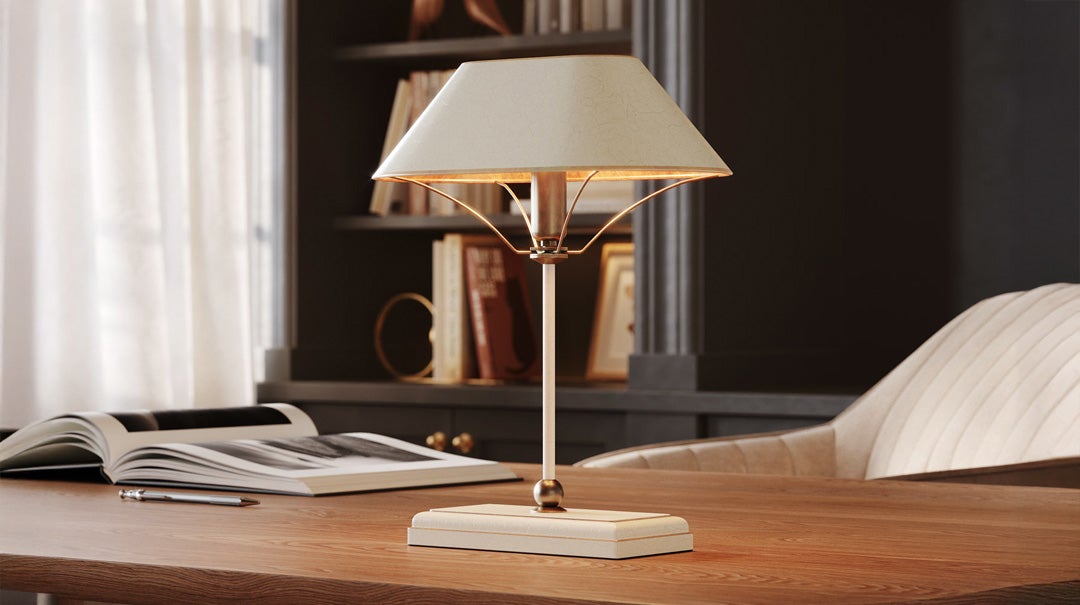
- Keep accessories intentional: a tray, a lamp, a single set of organizers
Traditional office furniture: timeless structure and presence
Traditional office furniture often leans into richer finishes, classic profiles, and a sense of permanence. It works beautifully in studies, libraries, and multiuse rooms where you want the office to feel integrated with the rest of the home.
What pairs well with traditional pieces
- Warm metal accents (like brass or bronze tones)
- Leather-look or upholstered seating with classic proportions
- Layered lighting: a desk lamp plus ambient lighting for softer evenings
Storage that clears the desktop
Even a beautiful desk can feel chaotic without a place for the “in-between” items—papers, cables, supplies, and devices. Storage pieces are what turn a workspace into a system.
Storage options that earn their keep
- File cabinets: A home for documents, manuals, and paperwork that shouldn’t drift
- Credenzas: Low, wide storage that can double as a printer station
- Bookcases: Vertical storage for reference materials, bins, and display items
- Cabinets: Closed storage for visual calm (especially in shared rooms)
How to choose office furniture
Use these checkpoints to make choices that feel good now—and still work as your needs evolve.
1) Measure the room, then map movement
Before choosing style, confirm the “working clearances.”
- Make sure you can pull the chair out comfortably without hitting a wall or bed
- Leave room to open drawers and cabinet doors fully
- If the office shares space with another room, plan a clean visual boundary (rug, bookcase, or screen)
2) Choose the right office desk for your work style
Ask yourself:
- Laptop-only, or monitor setup?
- Paper-heavy tasks that need spread-out space?
- Do you need storage at the desk, or do you prefer a clean surface with nearby cabinetry?
A smaller desk can feel better if you pair it with a storage piece that takes the pressure off the desktop.
3) Prioritize the desk chair’s fit and adjustability
A desk chair should support you through long stretches without constant shifting.
- Look for adjustable seat height as a baseline
- Consider armrests if you type often
- Choose a back shape that supports the curve of your spine
If multiple people use the chair, adjustability matters even more.
4) Align style with the rest of your home
- Modern office furniture blends well with minimal décor and lighter visual weight
- Traditional office furniture works well with classic rooms and richer finishes To keep the space cohesive, repeat one element: wood tone, hardware finish, or leg shape.
5) Plan for cables and “desktop drift”
Clutter is often a cable problem in disguise.
- Choose desks with grommets or routing paths when possible
- Use a tray or a slim organizer to keep daily essentials contained
- Give the printer (and its paper) a dedicated home so it doesn’t take over your desk