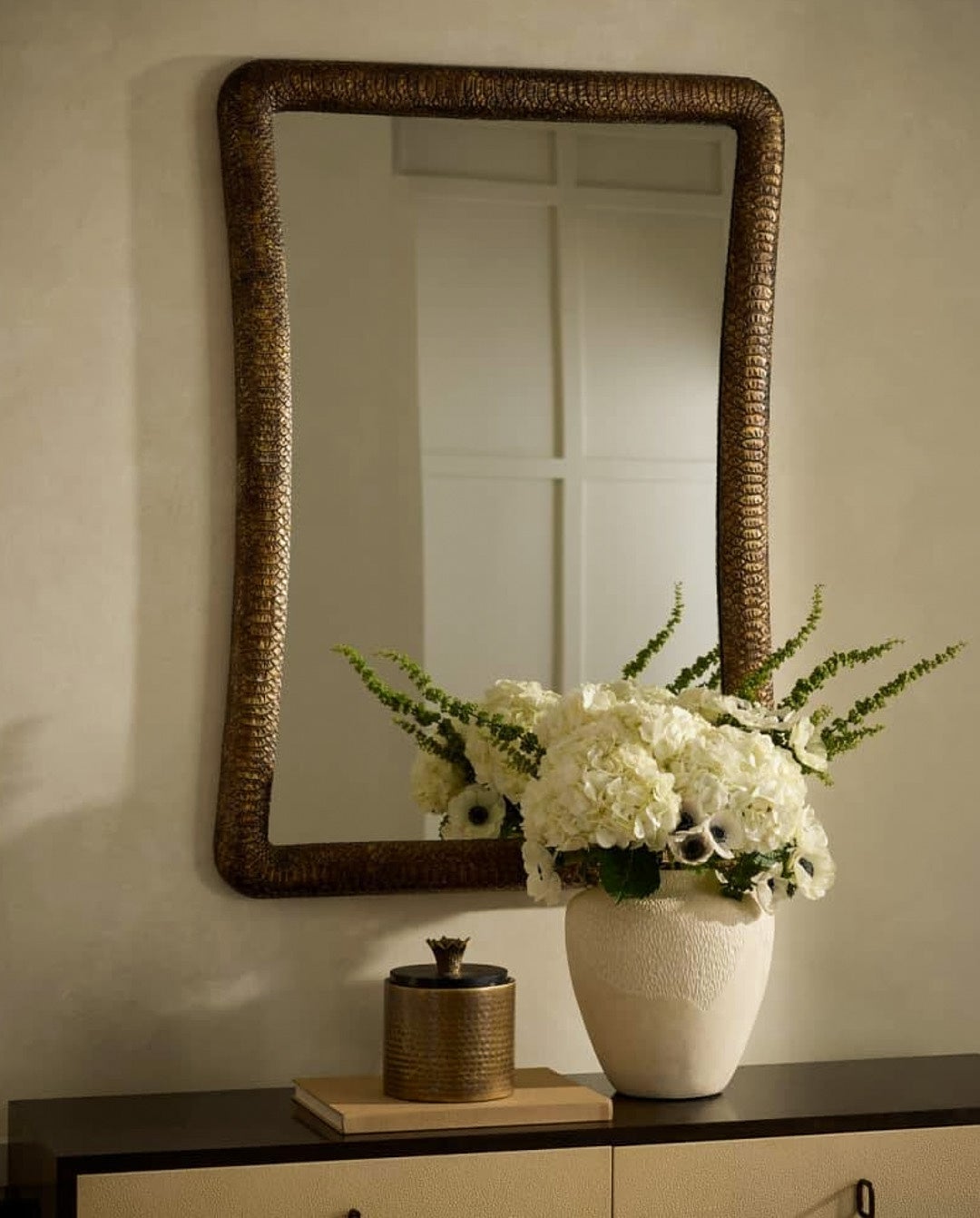
Decor is the finishing layer that makes a house feel lived-in, balanced, and unmistakably yours. From artful wall decor to purposeful decorative accents, explore home decor that brings warmth, texture, and a sense of cohesion—especially in the places you gather most, like the living room.
Home decor that pulls a room together
Great home decor doesn’t have to be complicated. It works when it repeats a few key elements—color, texture, shape, or finish—so your space feels intentional rather than crowded.
The “foundation” pieces of decor
- Wall decor: art, mirrors, and statement pieces that set the tone
- Decorative accents: vases, trays, objects, and candle holders that add dimension
- Textiles and layers: pillows, throws, and rugs (where applicable) that soften hard edges
- Greenery and planters: organic shapes that bring life and movement
Wall decor: define the mood, anchor the layout
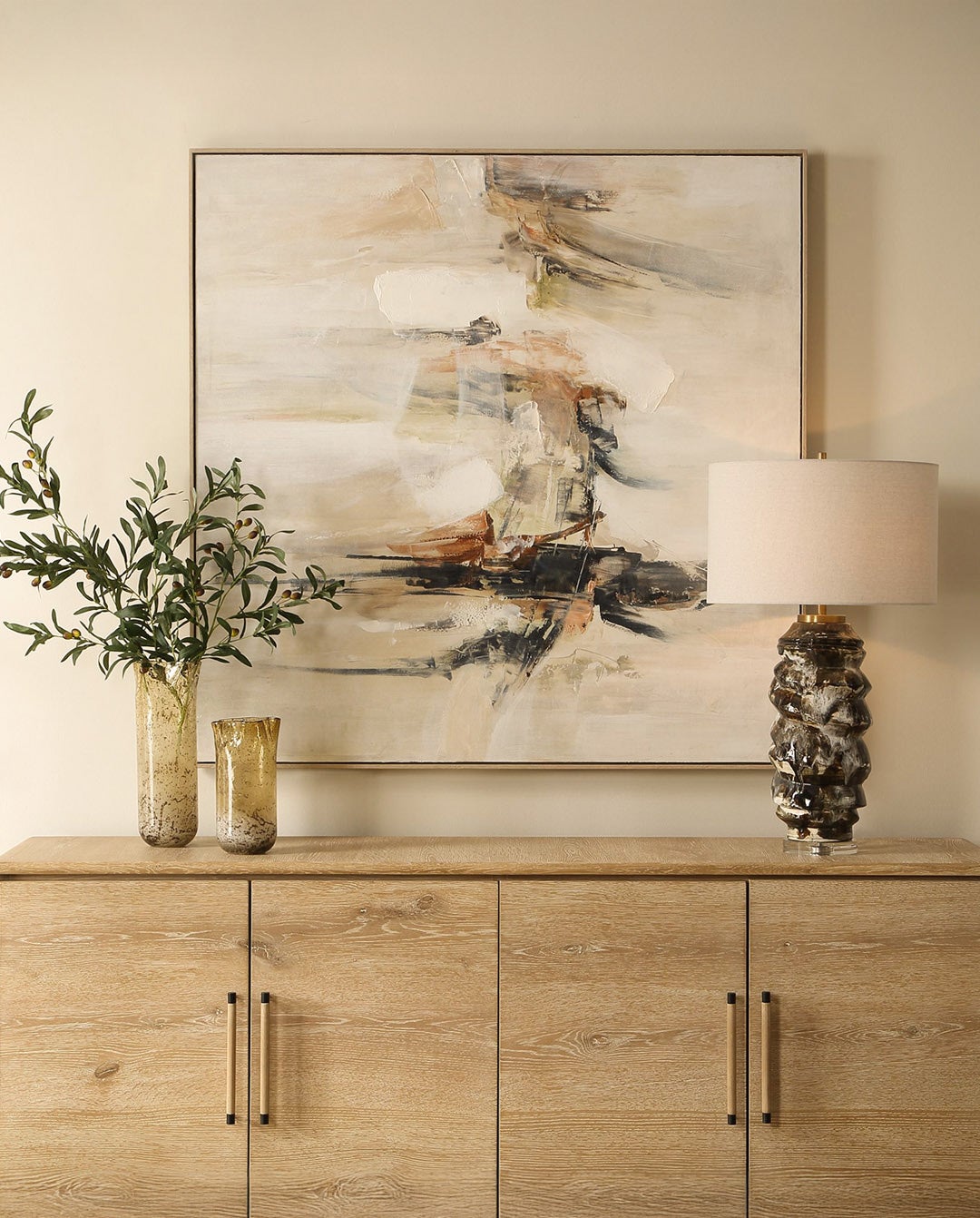
Wall decor often does the heavy lifting in a room—creating a focal point, balancing empty space, and tying furniture groupings together.
What to choose (based on what your room needs)
- Wall art: for color, personality, and focal-point impact
- Mirrors: for light bounce and the illusion of more space
- Sculptural wall pieces: for texture and dimension without busy patterns
- Gallery walls: for storytelling—best when you keep frames or color tones consistent
Easy placement rules that work
- Center wall art at roughly eye level for the average viewer
- Over a sofa or console, choose a piece (or grouping) that spans about two-thirds of the furniture width
- If you’re layering art on a shelf or mantel, vary heights, but keep the palette cohesive
Decorative accents: small pieces, big payoff
Decorative accents are how you add depth without remodeling: shine, softness, contrast, and rhythm. The key is to curate—choose a few items that do a job, not dozens that compete.
Accents that earn their place
- Trays and bowls: corral remotes, candles, and everyday items
- Vases and vessels: add height and sculptural form, even without florals
- Candle holders and lanterns: bring a warm glow and evening ambiance
- Decor objects: books, sculptures, and collected pieces that feel personal
- Baskets: hide clutter while adding natural texture
Tip: Group accents in odd numbers (three is a classic) and vary the heights for a styled look that still feels relaxed.
Living room decor: make comfort look intentional
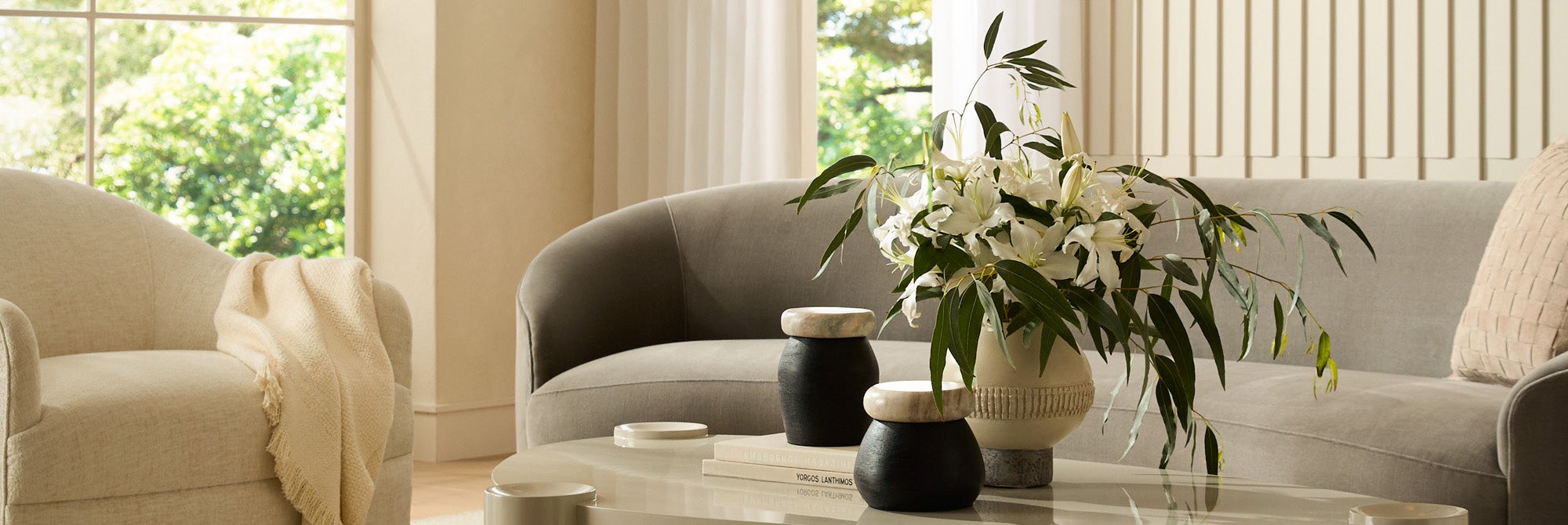
When it comes to living room decor, the goal is comfort with structure—pieces that feel inviting, but still visually edited.
Build a living room vignette in minutes
- Start with one anchor (a coffee table tray, a large vase, or a statement object)
- Add one soft layer (a throw or pillows that echo the room’s main color)
- Finish with one vertical element (a plant, candlesticks, or a tall sculptural piece)
Common living room decor “fixes”
- Room feels flat: add texture (woven, ceramic, matte metal, linen)
- Room feels busy: reduce patterns; repeat one finish (like black or brass)
- Room feels unfinished: add wall decor above the sofa and a table lamp or two for warmth
Farmhouse decor: warm, simple, and grounded
Farmhouse decor is about ease—natural materials, approachable shapes, and a lived-in warmth that doesn’t feel fussy. It pairs beautifully with both traditional and modern interiors when you keep the palette calm.
Farmhouse elements that stay timeless
- Natural woods and woven textures
- Simple ceramics and utilitarian silhouettes
- Black metal accents for contrast
- Soft neutrals with a few weathered or vintage-inspired touches
To keep farmhouse from feeling theme-y, focus on texture and proportion, not novelty signage or overly literal motifs.
How to choose decor
A few practical choices up front can make decorating feel simpler and more confident.
1) Pick a palette, then repeat it
Choose 2–3 main colors (including neutrals), then repeat them across accents, wall decor, and textiles. Repetition is what makes “collected” feel cohesive.
2) Balance matte, shine, and texture
A room looks richer when finishes vary:
- Matte: ceramics, linen, raw wood
- Shine: glass, polished metal, mirrors
- Texture: woven baskets, carved details, layered textiles
3) Scale matters more than matching
- One larger statement piece often looks calmer than many small ones
- Over furniture, aim for art and mirrors that feel proportionate (not floating or cramped)
- For shelves, mix heights and leave breathing room—negative space is part of the design
4) Use wall decor to “complete” furniture groupings
If a sofa wall feels unfinished, wall decor is usually the missing link. Mirrors and art also help connect the room’s color story across zones.
5) Choose accents that do a job
Look for pieces that add:
- Function: trays, baskets, organizers
- Comfort: throws and pillows
- Atmosphere: candlelight and warm-toned lighting
- Personality: objects that reflect your interests and travels